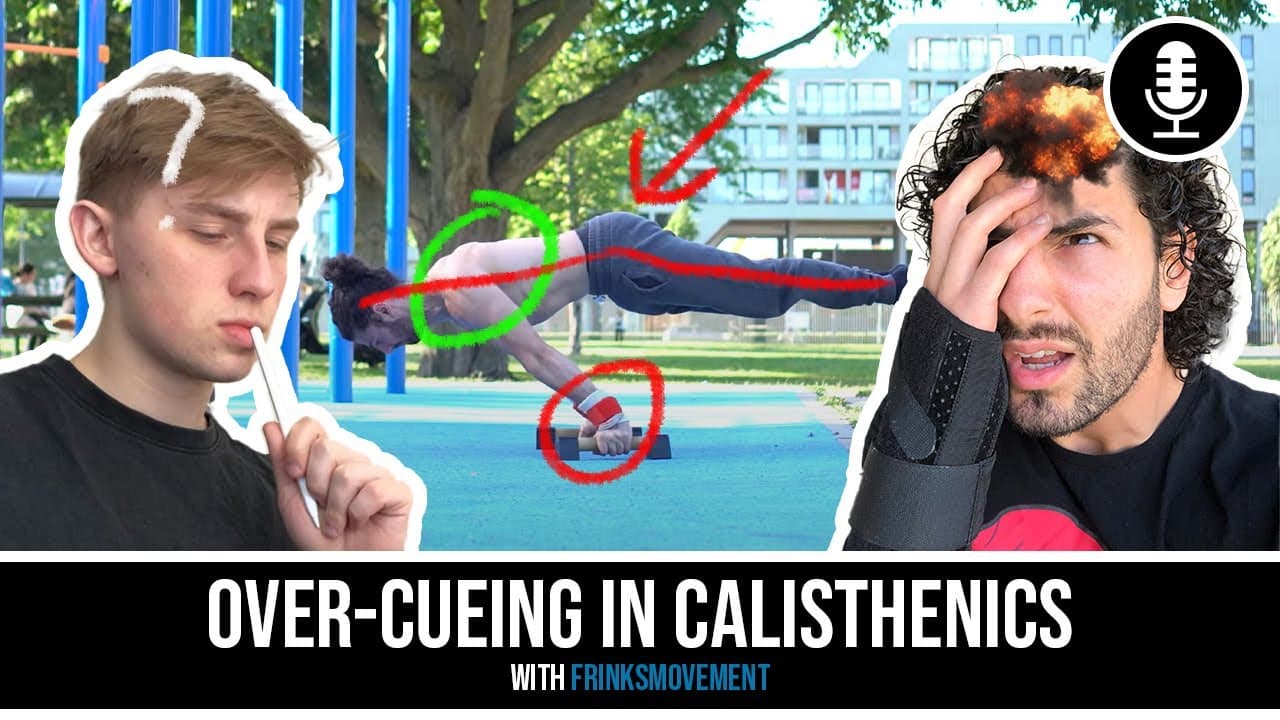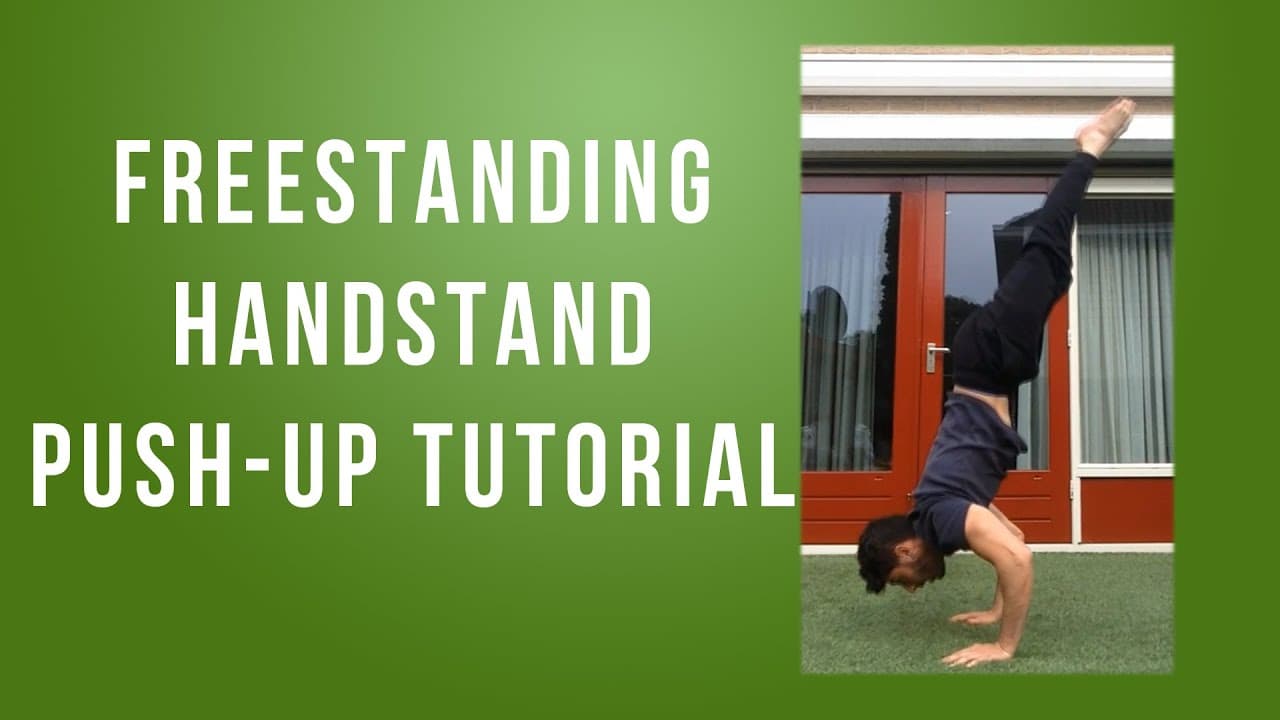

Few names in the calisthenics world spark as much debate as Ian Barseagle. Known for his minimalist approach to training and jaw-dropping strength feats, Ian has built a reputation that divides the fitness community right down the middle. When FitnessFAQs sat down with him for an in-depth interview about his training philosophy, I, a medical doctor with over 15 years of calisthenics experience, decided it was time to put the famous 2-set method under the microscope. What I found was a fascinating blend of brilliance and blind spots.
The 2-Set Method: Revolutionary or Reckless?
Ian Barseagle's training philosophy can be distilled into a deceptively simple premise: perform just two working sets per exercise, push them to absolute failure, and call it a day. On the surface, this flies in the face of conventional wisdom, which typically prescribes three to five sets per exercise for optimal hypertrophy and strength gains. But as I see it, dismissing the approach outright would be a mistake.
The science of training volume is more nuanced than most gym-goers realize. Research published in the Journal of Strength and Conditioning Research has shown that the relationship between volume and muscle growth follows an inverted U-curve. There is a sweet spot, and more is not always better. For advanced athletes like Ian who have spent years building their neuromuscular efficiency, fewer sets taken to true mechanical failure can provide a potent stimulus, one that rivals or even exceeds the results of higher-volume protocols.
However, I am quick to note a critical caveat. True failure is extraordinarily demanding on the central nervous system. Most trainees dramatically overestimate how close to failure they actually train. Studies suggest that the average gym-goer stops two to four reps short of genuine muscular failure, even when they believe they have nothing left. For Ian, who has an almost superhuman tolerance for discomfort, the 2-set method works precisely because he actually reaches failure. For everyone else, it might just mean doing too little.
What the Research Says About Low-Volume Training
I dive into the evidence base with the precision you would expect from someone who reads medical literature for a living. A landmark 2019 meta-analysis by Schoenfeld and colleagues found that higher training volumes generally produce greater hypertrophy, but with diminishing returns beyond approximately ten sets per muscle group per week. Importantly, even low-volume protocols, as few as one to four sets per week, produced measurable gains.
This is where context matters enormously. Ian Barseagle is not a beginner. He is an elite-level calisthenics athlete whose training age spans well over a decade. His connective tissues, motor unit recruitment patterns, and work capacity have been honed through thousands of hours of practice. Applying his protocol to a two-year trainee would be like giving a Formula 1 racing strategy to someone who just got their driver's license. The vehicle is simply not built for it yet.
The Role of Intensity and Intent
One aspect of Ian's training that I genuinely admire is the emphasis on intent. Every single rep in a Barseagle session is performed with maximum focus and effort. There is no scrolling through Instagram between sets, no half-hearted reps to pad the logbook. This kind of training intensity has real physiological consequences.
When muscles are recruited with maximum intent, the body activates a greater percentage of motor units, including the high-threshold motor units responsible for strength and power. I explain that this principle, known as Henneman's size principle, means that high-effort contractions engage muscle fibers that low-effort sets simply never touch. In calisthenics, where progressive overload is harder to achieve than in weightlifting, training intent becomes one of the most powerful tools in the toolbox.
Recovery: The Missing Piece of the Puzzle
Perhaps the most underappreciated advantage of the 2-set method is what it does for recovery. As someone who manages my own training around the demanding schedule of a medical doctor, I understand this better than most. Lower training volumes mean less accumulated fatigue, faster recovery between sessions, and a reduced risk of overuse injuries, particularly in the tendons and ligaments that are notoriously slow to heal.
For calisthenics athletes, this is especially relevant. Moves like the front lever, planche, and muscle-up place extraordinary demands on the shoulder girdle and elbow joints. Chronic overloading of these structures without adequate recovery is one of the most common reasons athletes plateau or, worse, develop tendinopathy. By keeping volume low and intensity high, Ian may actually be protecting his joints while still driving adaptation. It is a trade-off that I consider surprisingly well-calibrated.
Where the Method Falls Short
That said, I do not give Ian a free pass. There are legitimate concerns about the 2-set method, particularly when it comes to skill acquisition. Calisthenics is not just about strength; it is about motor learning. Performing complex movements like the muscle-up or handstand requires repeated practice to refine technique, build proprioceptive awareness, and engrain movement patterns.
Two sets simply may not provide enough repetitions for the nervous system to optimize these skills, especially for athletes who are still learning them. I recommend that skill-based movements be treated differently from pure strength exercises. For skills, more frequent, submaximal practice, spread across multiple sets and even multiple sessions per day, tends to produce faster improvement than grinding out two brutal sets to failure.
Individual Variation and Genetic Factors
I also raise a point that rarely gets discussed in training debates: genetics. Not everyone responds to the same training stimulus in the same way. Research on individual variation in exercise response has revealed that some people are high responders to low-volume training, while others need considerably more volume to see the same results.
Ian Barseagle may very well be a genetic outlier, someone whose muscle fiber composition, recovery capacity, and neuromuscular efficiency allow him to thrive on minimal volume. Trying to replicate his results without his genetics is a recipe for frustration. I encourage athletes to use methods like Ian's as a starting point for experimentation, not as gospel. Track your progress, adjust your volume, and find what your body actually responds to.
Key Takeaways
- •The 2-set method can be effective for advanced athletes who truly train to failure, but most people underestimate how far they are from genuine muscular failure.
- •Low-volume training has scientific support, but the optimal volume depends heavily on training experience, recovery capacity, and individual genetics.
- •Training intent and focus are among the most underrated variables in calisthenics programming.
- •Lower volume offers real recovery advantages, particularly for joint health in high-skill calisthenics movements.
- •Skill-based movements may require higher volume and frequency than pure strength exercises, making the 2-set method less suitable for technique work.
- •Use elite athletes' methods as inspiration, not prescription. Your body's response to training is unique.
My verdict on Ian Barseagle's training is ultimately one of measured respect. The 2-set method is not for everyone, but it is far from nonsense. For the right athlete, at the right stage of their development, with the right mindset, it can be a remarkably efficient way to train. The key, as always, is to think critically, train honestly, and let the evidence, not the hype, guide your decisions.